What Is a Mortise Lock — and Why Grade-1 Matters for Business Doors
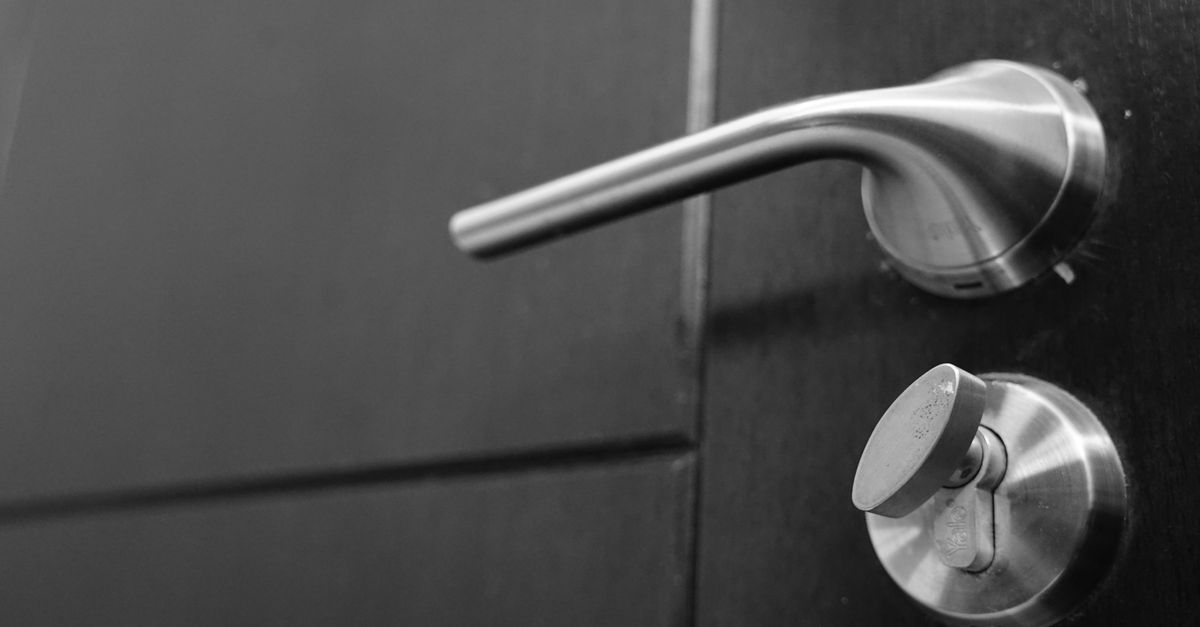
A mortise lock differs from a cylindrical lockset in one fundamental way: the lock body itself is recessed, or 'mortised,' into the edge of the door rather than surface-mounted. That deeper pocket lets the mechanism carry a full-length faceplate, a heavy-gauge latch with anti-retraction protection, an independent deadbolt throw, and a mortise lock cylinder that can be swapped or rekeyed without disturbing the entire assembly. The result is a door that resists kick-in, pry, and shimming attempts far better than standard commercial knob or lever sets. ANSI/BHMA Grade-1 is the highest duty classification for commercial hardware — rated for 250,000 or more cycles — and it's the specification Saugerties Locksmith installs on every new commercial job.
Business owners sometimes ask what is a mortise lock compared to the simpler lever trim they see on interior office doors. Think of it this way: the cylindrical lever is the lock equivalent of a residential deadbolt — fine for light traffic, not built for a main entry that opens and closes hundreds of times a day under all weather conditions. Partition Street retailers, Route 9W service businesses, and Hudson Valley industrial facilities that experience heavy foot traffic consistently outlast cylindrical hardware when a quality grade-1 mortise lock set is installed correctly on the exterior door. The upfront investment in hardware and professional installation is offset by dramatically longer service intervals.